Hello!
Product & Content Designer
Product & Content Designer
Product & Content Designer
Interdisciplinary designer with 4+ years of experience turning complex workflows into clear, usable digital products. I work across discovery, UX strategy, interaction design, UI & design systems, and implementation QA, with experience in AI tools, healthcare, fintech, and public-sector services. I’m strongest where product ambiguity, operational complexity, and cross-functional delivery meet.
Interdisciplinary designer with 4+ years of experience turning complex workflows into clear, usable digital products. I work across discovery, UX strategy, interaction design, UI & design systems, and implementation QA, with experience in AI tools, healthcare, fintech, and public-sector services. I’m strongest where product ambiguity, operational complexity, and cross-functional delivery meet.
Interdisciplinary designer with 4+ years of experience turning complex workflows into clear, usable digital products. I work across discovery, UX strategy, interaction design, UI & design systems, and implementation QA, with experience in AI tools, healthcare, fintech, and public-sector services. I’m strongest where product ambiguity, operational complexity, and cross-functional delivery meet.
EXPLORE
EXPLORE
Where I’ve Been, What I’ve done
Where I’ve Been, What I’ve done
2025.09 - 2026.04
2025.09 - 2026.04
Associate Director, Design & User Experience, Technology
Associate Director, Design & User Experience, Technology
Associate Director, Design & User Experience, Technology

Henon Financial Technologies Inc.
Henon Financial Technologies Inc.
Henon Financial Technologies Inc.
2024.09 - 2024.12
2024.09 - 2024.12
Archive & UX Research Co-op
Archive & UX Research Co-op
Archive & UX Research Co-op

Workplace Safety
and Insurance Board
Workplace Safety
and Insurance Board
Workplace Safety and Insurance Board
2022.01 - 2023.06
2022.01 - 2023.06
Event and Graphic Design Associate
Event and Graphic Design Associate
Event and Graphic Design Associate

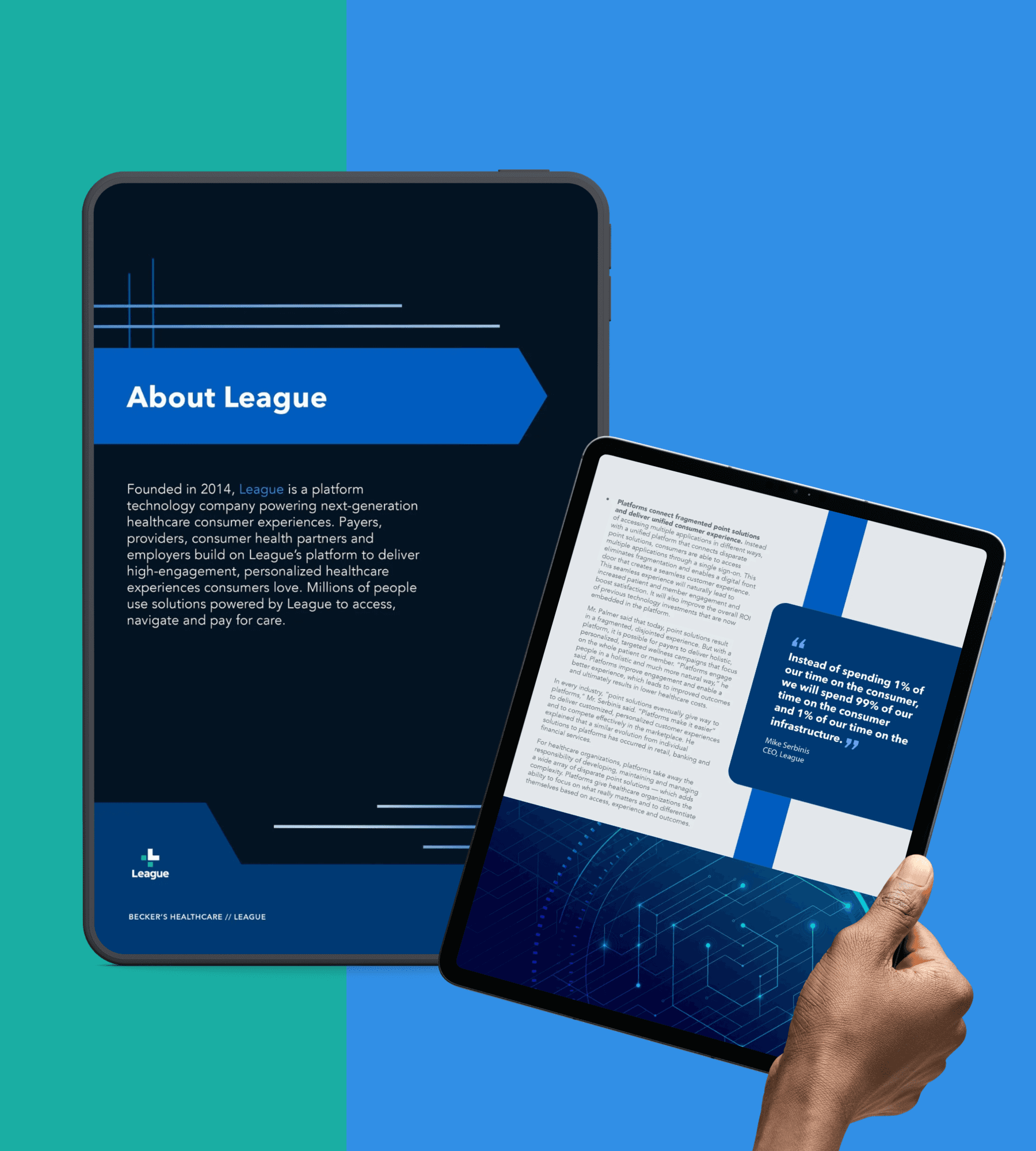
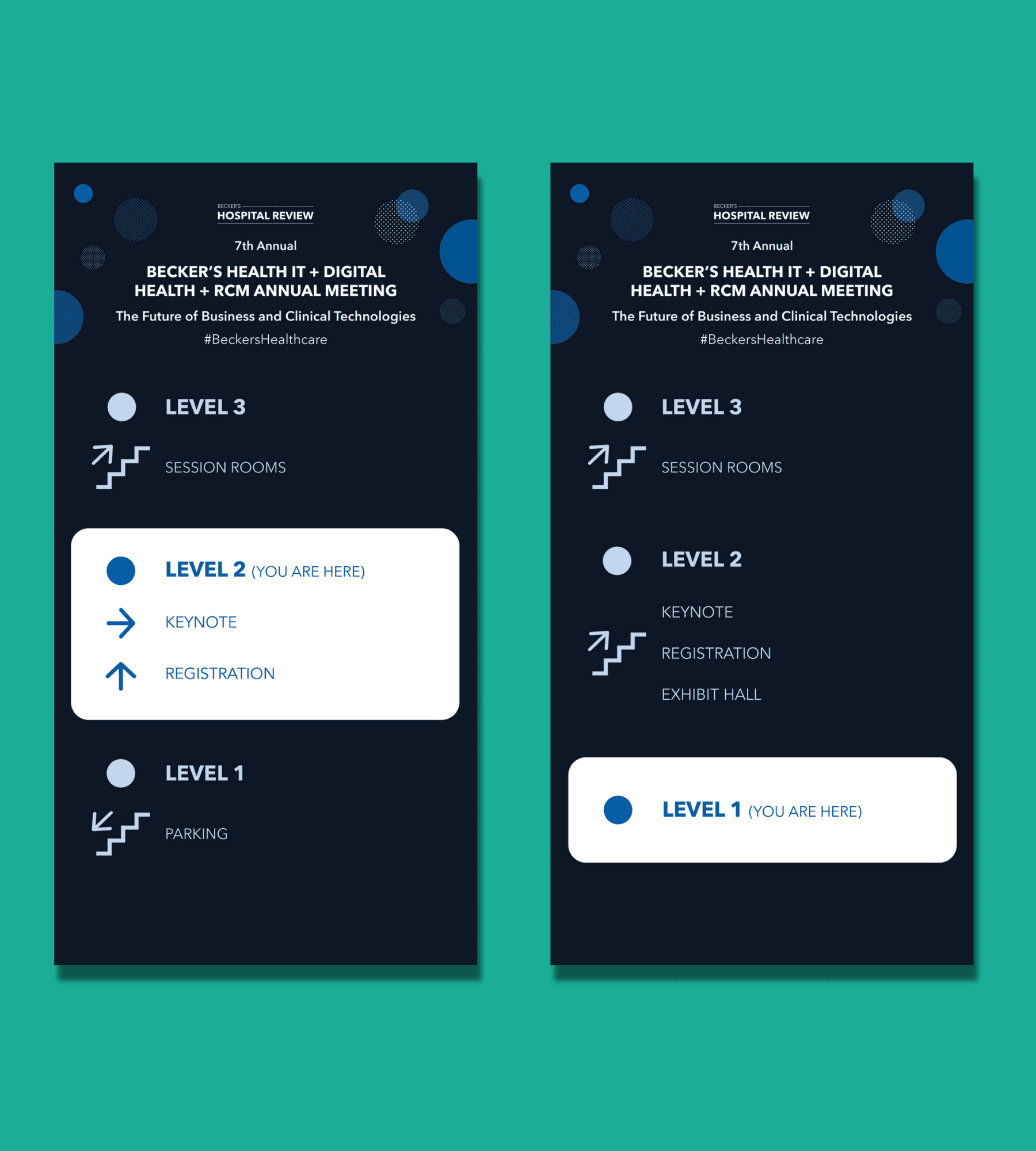
Becker’s Healthcare
Becker’s Healthcare
Becker’s Healthcare
2023.10 - Now
2023.10 - Now
Skating Instructor, Content Creator
Skating Instructor, Content Creator
Skating Instructor, Content Creator
RedNote
RedNote
RedNote
2019.08 - Now
2019.08 - Now
Creative Writer, Content Creator
Creative Writer, Content Creator
Creative Writer, Content Creator
Sina Weibo
Sina Weibo
Sina Weibo
AI Product Builds
AI Product Builds
AI Product Builds
From Problem No One Scoped → Product That Ships
Solo 0→1 design engineering
From Problem No One Scoped → Product That Ships
Solo 0→1 design engineering
From Problem No One Scoped → Product That Ships
Solo 0→1 design engineering


UX Work
UX Work
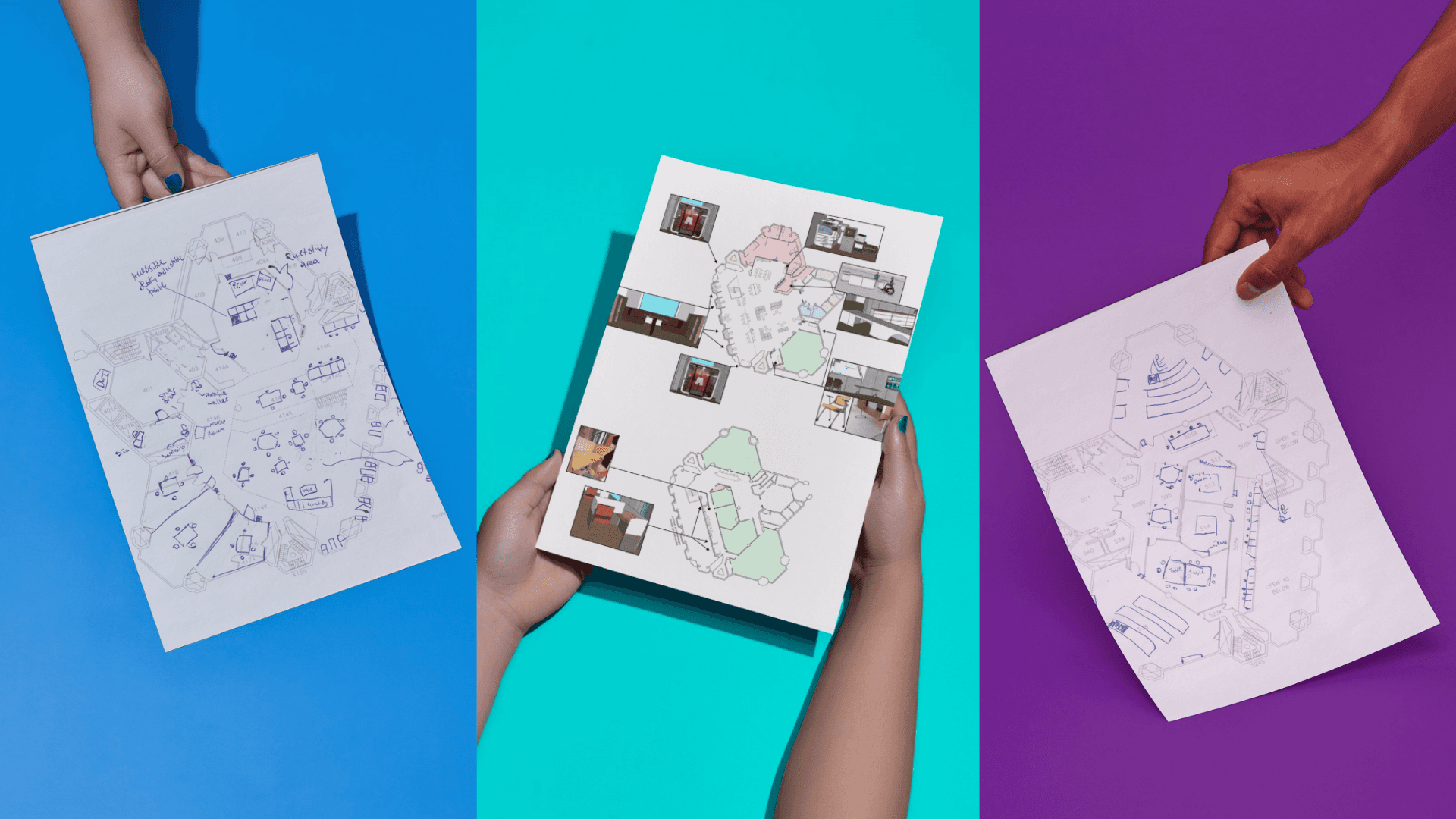
University of Toronto | 2025
Accessibility Beyond Minimum Compliance
Accessibility Beyond Minimum Compliance
Redesigned an inclusive study space that supports both students and staff with mobility disabilities through environmental, systemic, and attitudinal change.
Accessibility
Inclusive Design
User Research
University of Toronto | 2025
Accessibility Beyond Minimum Compliance
Redesigned an inclusive study space that supports both students and staff with mobility disabilities through environmental, systemic, and attitudinal change.
Accessibility
Inclusive Design
User Research
Foundations of My Practice
Foundations of My Practice
2023 - 2025

Master of Information
User Experience Design
2023 - 2025
Master of Information
User Experience Design
2018 - 2022

Bachelor of Arts
Studio Art, Art History & Digital Media Design
2018 - 2022
Bachelor of Arts
Studio Art, Art History & Digital Media Design
CREATIVE DESIGN
CREATIVE DESIGN








My Philosophy
My Philosophy
I design research-driven solutions across disciplines...
Every role I've had, I walked into a mess no one had untangled. A thousand pages of undocumented skating curriculum, a registration system failing three user types at once, an AI product with no design infrastructure. My work starts before the interface: finding the actual problem buried in the noise, then building the structure that makes it navigable. The polished screen is the last 10%. The other 90% is figuring out what should exist at all.
I design for trust in products and systems in the era of AI power.
The real question isn't only "what is the user trying to do". It's "who is in control right now, and how does that shift between human and system." Designing AI features for finance professionals, I learned the barrier wasn't usability, it was trust: people won't act on what they can't verify. I design the reasoning, the sources, and the moments of human confirmation that let people rely on AI with confidence.
I turn ambiguity into shared understanding across teams....
I've always worked as the sole designer with no established process, which means my job is to create clarity, not just receive it. I translate vague direction into structured systems - design tokens, component libraries, content standards - that a cross-functional team can actually ship from.
I think of the bigger picture and the people often left out of it...
I pay attention to who a system excludes. Non-specialist staff, users with accessibility needs, newcomers navigating an unfamiliar country. As someone who's been the person locked out of a confusing system, I build for the edges, not just the default user.
I design research-driven solutions across disciplines...
Every role I've had, I walked into a mess no one had untangled. A thousand pages of undocumented skating curriculum, a registration system failing three user types at once, an AI product with no design infrastructure. My work starts before the interface: finding the actual problem buried in the noise, then building the structure that makes it navigable. The polished screen is the last 10%. The other 90% is figuring out what should exist at all.
I design for trust in products and systems in the era of AI power.
The real question isn't only "what is the user trying to do". It's "who is in control right now, and how does that shift between human and system." Designing AI features for finance professionals, I learned the barrier wasn't usability, it was trust: people won't act on what they can't verify. I design the reasoning, the sources, and the moments of human confirmation that let people rely on AI with confidence.
I turn ambiguity into shared understanding across teams....
I've always worked as the sole designer with no established process, which means my job is to create clarity, not just receive it. I translate vague direction into structured systems - design tokens, component libraries, content standards - that a cross-functional team can actually ship from.
I think of the bigger picture and the people often left out of it...
I pay attention to who a system excludes. Non-specialist staff, users with accessibility needs, newcomers navigating an unfamiliar country. As someone who's been the person locked out of a confusing system, I build for the edges, not just the default user.
I design research-driven solutions across disciplines...
Every role I've had, I walked into a mess no one had untangled. A thousand pages of undocumented skating curriculum, a registration system failing three user types at once, an AI product with no design infrastructure. My work starts before the interface: finding the actual problem buried in the noise, then building the structure that makes it navigable. The polished screen is the last 10%. The other 90% is figuring out what should exist at all.
I design for trust in products and systems in the era of AI power.
The real question isn't only "what is the user trying to do". It's "who is in control right now, and how does that shift between human and system." Designing AI features for finance professionals, I learned the barrier wasn't usability, it was trust: people won't act on what they can't verify. I design the reasoning, the sources, and the moments of human confirmation that let people rely on AI with confidence.
I turn ambiguity into shared understanding across teams....
I've always worked as the sole designer with no established process, which means my job is to create clarity, not just receive it. I translate vague direction into structured systems - design tokens, component libraries, content standards - that a cross-functional team can actually ship from.
I think of the bigger picture and the people often left out of it...
I pay attention to who a system excludes. Non-specialist staff, users with accessibility needs, newcomers navigating an unfamiliar country. As someone who's been the person locked out of a confusing system, I build for the edges, not just the default user.
I design research-driven solutions across disciplines...
Every role I've had, I walked into a mess no one had untangled. A thousand pages of undocumented skating curriculum, a registration system failing three user types at once, an AI product with no design infrastructure. My work starts before the interface: finding the actual problem buried in the noise, then building the structure that makes it navigable. The polished screen is the last 10%. The other 90% is figuring out what should exist at all.
I design for trust in products and systems in the era of AI power.
The real question isn't only "what is the user trying to do". It's "who is in control right now, and how does that shift between human and system." Designing AI features for finance professionals, I learned the barrier wasn't usability, it was trust: people won't act on what they can't verify. I design the reasoning, the sources, and the moments of human confirmation that let people rely on AI with confidence.
I turn ambiguity into shared understanding across teams....
I've always worked as the sole designer with no established process, which means my job is to create clarity, not just receive it. I translate vague direction into structured systems - design tokens, component libraries, content standards - that a cross-functional team can actually ship from.
I think of the bigger picture and the people often left out of it...
I pay attention to who a system excludes. Non-specialist staff, users with accessibility needs, newcomers navigating an unfamiliar country. As someone who's been the person locked out of a confusing system, I build for the edges, not just the default user.
I design research-driven solutions across disciplines.
Every role I've had, I walked into a mess no one had untangled. A thousand pages of undocumented skating curriculum, a registration system failing three user types at once, an AI product with no design infrastructure. My work starts before the interface: finding the actual problem buried in the noise, then building the structure that makes it navigable. The polished screen is the last 10%. The other 90% is figuring out what should exist at all.
I design for trust in products and systems in the era of AI power.
The real question isn't only "what is the user trying to do". It's "who is in control right now, and how does that shift between human and system." Designing AI features for finance professionals, I learned the barrier wasn't usability, it was trust: people won't act on what they can't verify. I design the reasoning, the sources, and the moments of human confirmation that let people rely on AI with confidence.
I turn ambiguity into shared understanding across teams.
I've always worked as the sole designer with no established process, which means my job is to create clarity, not just receive it. I translate vague direction into structured systems - design tokens, component libraries, content standards - that a cross-functional team can actually ship from.
I think of the bigger picture and the people often left out of it.
I pay attention to who a system excludes. Non-specialist staff, users with accessibility needs, newcomers navigating an unfamiliar country. As someone who's been the person locked out of a confusing system, I build for the edges, not just the default user.